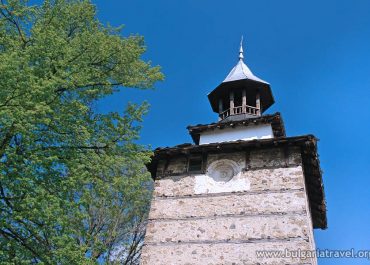

Panagyurishte is a picturesque town situated in the heart of the Sredna Gora Mountains, at an elevation of 540 meters above sea level, and is renowned for its rich history, landmarks, and mineral springs. It has a population of around 21,000 residents. The area has been inhabited since ancient times, as evidenced by over 300 archaeological sites, including necropolises, settlements, fortresses, military camps, and road facilities.
The town is one of the most important cultural and historical destinations in Bulgaria, attracting visitors with its unique treasures, museum exhibitions, and historic sites related to the April Uprising.
During the Iron Age, the region was inhabited by the Thracian tribe of the Bessi, part of the Odrysian Kingdom, from the 5th to the 4th century BC. The settlement of Panagyurishte is mentioned as early as the 15th century and is believed to have received its name from a traditional fair held on the banks of the Luda Yana River.
During Ottoman rule, it was a “voynugan” settlement, which contributed to its economic development in the 19th century. The Panagyurishte region played a crucial role in the Bulgarian National Revival and in the struggle for national liberation.
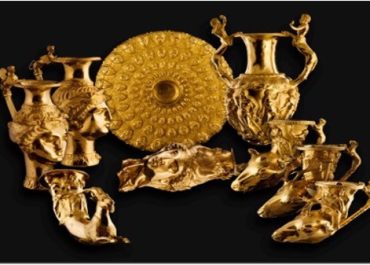
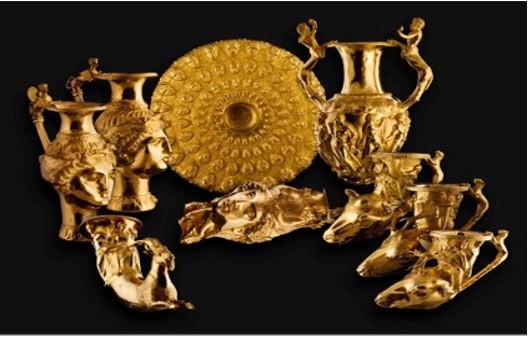
The emblematic symbol of the region is the Panagyurishte Gold Treasure, discovered on December 8, 1949, near the locality of Merul by the Deykov brothers — Pavel, Petko, and Mihail.
The treasure consists of nine gold vessels with a total weight of 6.164 kg — a phiale, an amphora, and several rhytons, richly decorated with scenes from Thracian and Greek mythology. It dates back to the 5th–4th century BC and is considered one of the greatest masterpieces of Thracian culture ever found.
A replica of the treasure is displayed in the Historical Museum of Panagyurishte, while the original is kept at the National Historical Museum in Sofia.
The remains of the medieval Krasen Fortress lie on the southern slopes of the Sredna Gora Mountains, near the town. It was an important administrative and cultural center during the Middle Ages.
Panagyurishte is home to several significant churches:
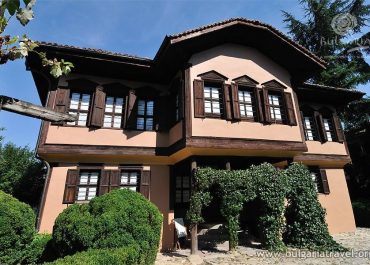
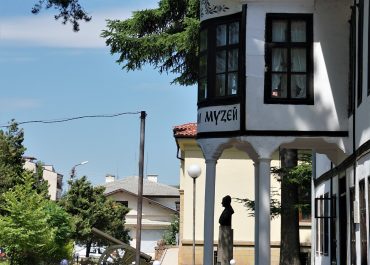
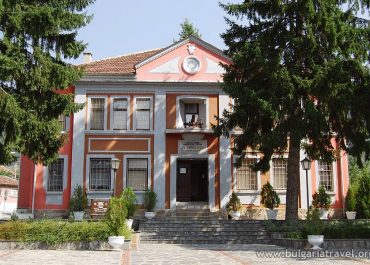
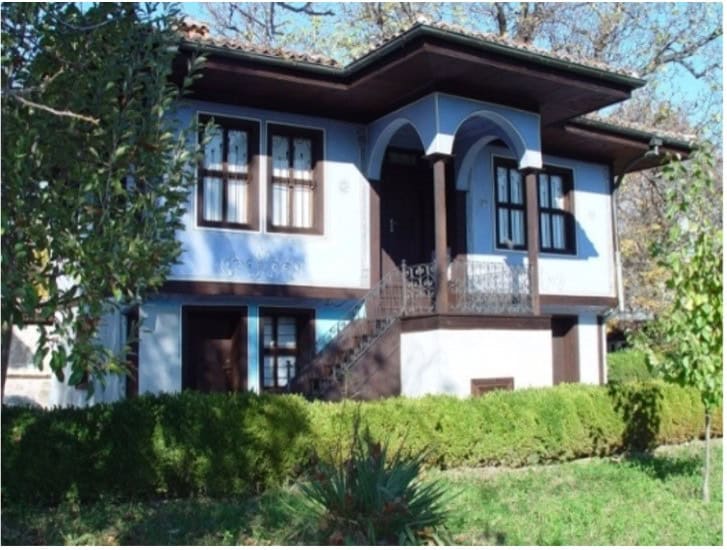
The main building of the museum features an archaeological hall with original artefacts, as well as exhibitions dedicated to the April Uprising, the Liberation of Bulgaria, and the Unification of Eastern Rumelia.
The museum has several branches connected to important historical events of the region.
Panagyurishte was the center of the 4th Revolutionary District during the April Uprising of 1876. It is the town where the population rose most massively and organized against Ottoman rule.
In memory of the more than 1,100 locals who perished, the Apriltsi Memorial Complex was built on Manyovo Bardo Hill.
Nine kilometers northwest of Panagyurishte lies the historic site of Oborishte, associated with the preparation of the uprising. A scenic hiking trail leads to the site.
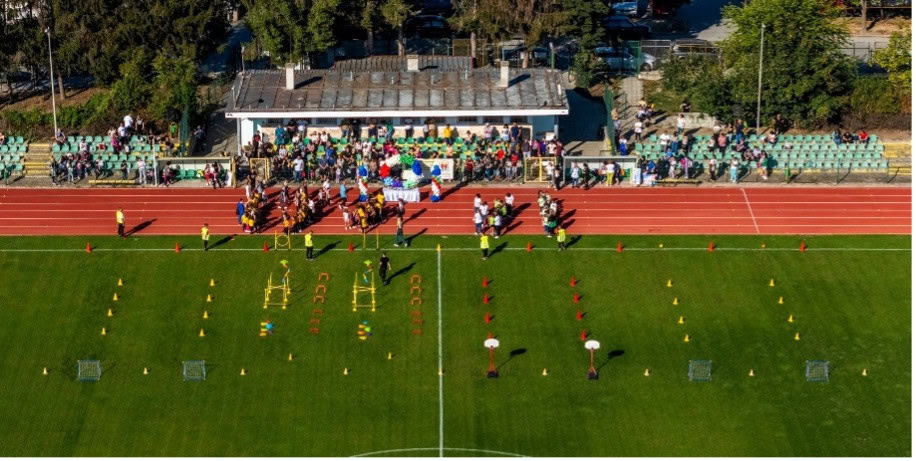
Panagyurishte is a dynamic cultural and sports center. Thanks to its modern sports facilities, the town hosts international, national, and regional events throughout the year.
One of the most modern multifunctional arenas in Europe, built according to world-class standards.
In 2022, Panagyurishte was named European Town of Sport.
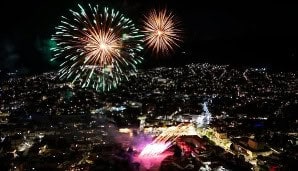
Every June, the World Fireworks Championship for the Cup of Panagyurishte takes place, attracting spectators and participants from many countries.
The region of Panagyurishte is rich in valuable mineral springs with proven healing properties, located in:
These locations offer excellent conditions for balneology, SPA, and wellness tourism. All three have mineral baths, and Panagyurishte and Banya also feature hotels with mineral pools.
The town offers a variety of hotels, guest hhousesand family-owned accommodations suitable for both short and long stays.
The local cuisine is known for its traditional Bulgarian dishes, which can be enjoyed in the cozy restaurants in the town center and the surrounding areas.
Each of the sites of the Historical Museum in the town is attended by tour guides. Guided tours are offered only in Bulgarian language.
Tourism Council Association – Koprivshtitsa
Tel: +359 7184 2191
E-mail: [email protected]
6, 20TH April Square, town of Koprivshtitsa
Tourist information center – Plovdiv
1, Rayko Daskalov Str. /Roman stadium sq./
Monday – Sunday
9.00 – 22.00 /summer working time/
9.00 – 20.00 /winter working time/
Tel: +359 32 620 229
Website: visitplovdiv.com
The Panagyurishte Museum of History,
4500 Panagyurishte, 28 Raina Knyaginya Str.
Tel:
+359 357 61940
+359 357 62012
+359 357 63712
E-mail: [email protected]
Websites:
https://museumpan.com/
Panagyurishte is a picturesque town situated in the heart of the Sredna Gora Mountains, at an elevation of 540 meters above sea level, and is renowned for its rich history, landmarks, and mineral springs. It has a population of around 21,000 residents. The area has been inhabited since ancient times, as evidenced by over 300 archaeological sites, including necropolises, settlements, fortresses, military camps, and road facilities.
The town is one of the most important cultural and historical destinations in Bulgaria, attracting visitors with its unique treasures, museum exhibitions, and historic sites related to the April Uprising.
During the Iron Age, the region was inhabited by the Thracian tribe of the Bessi, part of the Odrysian Kingdom, from the 5th to the 4th century BC. The settlement of Panagyurishte is mentioned as early as the 15th century and is believed to have received its name from a traditional fair held on the banks of the Luda Yana River.
During Ottoman rule, it was a “voynugan” settlement, which contributed to its economic development in the 19th century. The Panagyurishte region played a crucial role in the Bulgarian National Revival and in the struggle for national liberation.
The emblematic symbol of the region is the Panagyurishte Gold Treasure, discovered on December 8, 1949, near the locality of Merul by the Deykov brothers — Pavel, Petko, and Mihail.
The treasure consists of nine gold vessels with a total weight of 6.164 kg — a phiale, an amphora, and several rhytons, richly decorated with scenes from Thracian and Greek mythology. It dates back to the 5th–4th century BC and is considered one of the greatest masterpieces of Thracian culture ever found.
A replica of the treasure is displayed in the Historical Museum of Panagyurishte, while the original is kept at the National Historical Museum in Sofia.
The remains of the medieval Krasen Fortress lie on the southern slopes of the Sredna Gora Mountains, near the town. It was an important administrative and cultural center during the Middle Ages.
Panagyurishte is home to several significant churches:
The main building of the museum features an archaeological hall with original artefacts, as well as exhibitions dedicated to the April Uprising, the Liberation of Bulgaria, and the Unification of Eastern Rumelia.
The museum has several branches connected to important historical events of the region.
Panagyurishte was the center of the 4th Revolutionary District during the April Uprising of 1876. It is the town where the population rose most massively and organized against Ottoman rule.
In memory of the more than 1,100 locals who perished, the Apriltsi Memorial Complex was built on Manyovo Bardo Hill.
Nine kilometers northwest of Panagyurishte lies the historic site of Oborishte, associated with the preparation of the uprising. A scenic hiking trail leads to the site.
Panagyurishte is a dynamic cultural and sports center. Thanks to its modern sports facilities, the town hosts international, national, and regional events throughout the year.
One of the most modern multifunctional arenas in Europe, built according to world-class standards.
In 2022, Panagyurishte was named European Town of Sport.
Every June, the World Fireworks Championship for the Cup of Panagyurishte takes place, attracting spectators and participants from many countries.
The region of Panagyurishte is rich in valuable mineral springs with proven healing properties, located in:
These locations offer excellent conditions for balneology, SPA, and wellness tourism. All three have mineral baths, and Panagyurishte and Banya also feature hotels with mineral pools.
The town offers a variety of hotels, guest hhousesand family-owned accommodations suitable for both short and long stays.
The local cuisine is known for its traditional Bulgarian dishes, which can be enjoyed in the cozy restaurants in the town center and the surrounding areas.
Each of the sites of the Historical Museum in the town is attended by tour guides. Guided tours are offered only in Bulgarian language.
Tourism Council Association – Koprivshtitsa
Tel: +359 7184 2191
E-mail: [email protected]
6, 20TH April Square, town of Koprivshtitsa
Tourist information center – Plovdiv
1, Rayko Daskalov Str. /Roman stadium sq./
Monday – Sunday
9.00 – 22.00 /summer working time/
9.00 – 20.00 /winter working time/
Tel: +359 32 620 229
Website: visitplovdiv.com
The Panagyurishte Museum of History,
4500 Panagyurishte, 28 Raina Knyaginya Str.
Tel:
+359 357 61940
+359 357 62012
+359 357 63712
E-mail: [email protected]
Websites:
https://museumpan.com/
© All images, advertising and video materials and/or other information published on this website are property of the Ministry of Tourism and are protected by the Law on Copyright and Related Rights, according to the Bulgarian laws to all applicable international and relevant acts of the European Union.